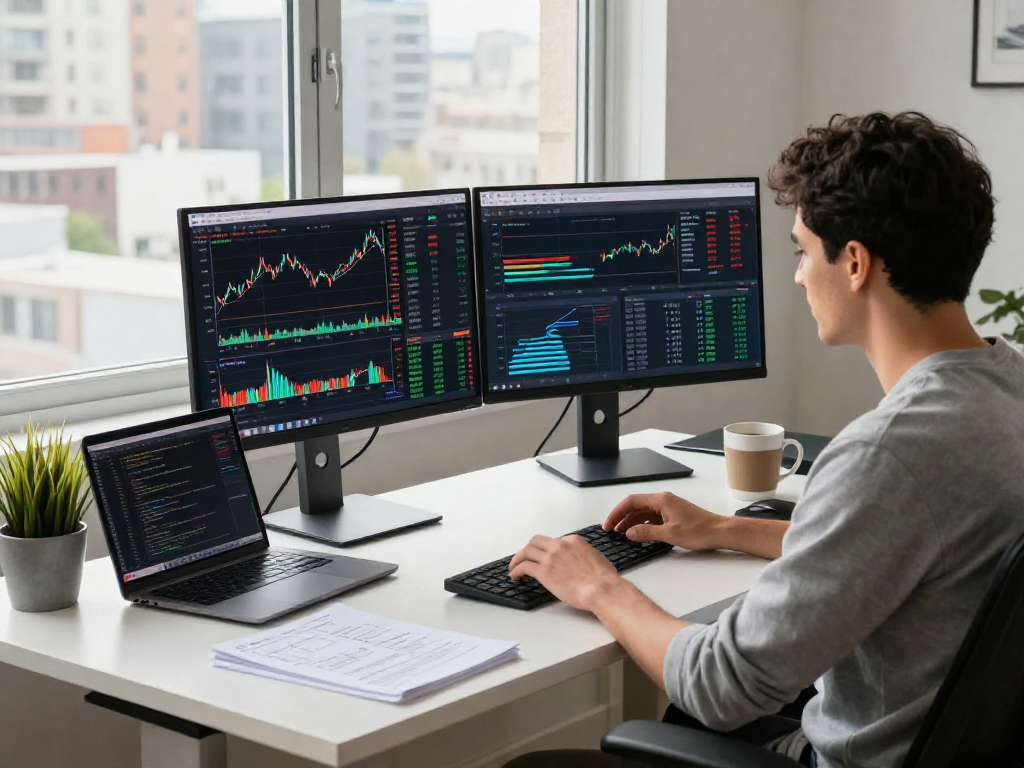
Understanding the Basics of 日本株 板情報 API
The advent of the blockchain has significantly transformed the financial landscape, introducing innovative methods of exchanging value and information. Cryptocurrencies, smart contracts, decentralized finance (DeFi), and various other blockchain applications have been reshaping traditional finance models. One of the integral components of this disruption is the Application Programming Interface (API), which allows developers and institutions to effectively interact with real-time financial data. For those looking to enhance their trading strategies, the 日本株 板情報 API provides a seamless way to access critical stock market information, especially for Japanese equities.
What is an API in Stock Trading?
An API in stock trading serves as a bridge between different software applications. It allows traders, developers, and researchers to access and interact with stock market data programmatically. This data can include real-time price quotes, historical data, order book details, and much more. By using APIs, users can fetch the necessary information without the need to manually query websites or broker platforms, thus streamlining their trading operations.
Core Features of 日本株 板情報 API
iTick's 日本株 板情報 API offers a comprehensive array of features that cater to the needs of developers and traders alike. These features include:
- Real-Time Market Data: Access to live price quotes and market depth from over 50 global exchanges.
- Historical Data Access: Retrieve extensive historical data for analysis and backtesting of trading strategies.
- WebSocket & RESTful API Support: Multiple access methods providing flexibility in data consumption.
- Customizable Queries: Tailor your data requests to suit specific needs and strategies.
How to Integrate API into Your Trading Strategy
Integrating an API into your trading strategy can greatly enhance your decision-making process. By utilizing the functionalities of iTick's API:
- Data Retrieval: Use the API to collect both real-time and historical data necessary for your analyses.
- Signal Generation: Apply algorithms or machine learning models to generate buy/sell signals based on market data.
- Automate Trading: Deploy trading bots that respond to market conditions automatically, based on the data received through the API.
Technical Analysis for A-Shares and US Stocks
Mastering technical analysis is crucial for traders looking to navigate the complexities of the stock markets. Utilizing the 日本株 板情報 API enables access to crucial data points, allowing traders to apply robust technical analysis techniques effectively.
Key Indicators and Tools for Analysis
Traders often rely on specific indicators to gauge market movements. Some of the essential indicators include:
- Moving Averages: Used to smooth price data and identify trends over specified periods.
- Relative Strength Index (RSI): Helps determine overbought or oversold conditions in a market.
- MACD (Moving Average Convergence Divergence): Indicates momentum and potential buy/sell signals based on moving averages.
Utilizing APIs for Real-time Market Insight
The integration of APIs into trading frameworks facilitates timely and informed decision-making. Traders can instantly react to market changes, enhancing their strategies' responsiveness and effectiveness in various conditions.
Comparative Analysis with Other Trading APIs
In comparison to other stock trading APIs, iTick's offerings stand out due to superior data coverage, minimal latency, and cost-effective pricing. The platform is designed specifically for high-frequency trading and in-depth market analysis, making it a valuable tool for both amateur and professional traders.
Security Practices for Using Financial APIs
As the accessibility of financial APIs increases, so do the risks associated with their use. Security practices are paramount in protecting your investments and personal data.
Implementing Strong Authentication and Encryption
To secure your API access, utilize strong authentication methods such as OAuth and ensure that data is encrypted both at rest and in transit. Implementing these security layers protects sensitive information from unauthorized access and potential breaches.
Protecting Your Data from Potential Breaches
Maintaining hard limitations on API access along with regular audits of permission settings can help prevent data leaks. Continuous monitoring of access logs can further enhance security by identifying unusual activities early.
Scam Awareness: Recognizing Fraudulent APIs
Be vigilant in identifying fake APIs that may compromise your trading activities. Always verify the authenticity of any API by checking user reviews, usage documentation, and the reputability of the providing organization.
Maximizing Trading Strategies with Historical Data
Historical data plays a critical role in formulating successful trading strategies. By effectively leveraging analysis of past market trends, traders can gain insights to inform their future decisions.
How Historical Data Influences Current Trading
Understanding historical price movements is essential for developing predictive models. By analyzing patterns in past data, traders can better forecast potential future movements, tailoring their strategies accordingly.
Integrating K-Line Data into Your API Use
K-Line data, or candlestick charts, visually represent price movements over specific periods. Integrating this data into your strategies can help identify trending patterns, allowing traders to make well-informed decisions.
Strategic Decision Making Using Data Feed API
Using an API for systematic trading allows timely execution of strategies, especially in high-speed environments where split-second decisions are crucial. The data feed can guide traders on when to enter or exit positions based on real-time market conditions.
Future Trends in Stock Trading APIs
The stock trading API landscape is constantly evolving, driven by technological advancements and market demands. Keeping abreast of future trends ensures traders remain competitive.
Artificial Intelligence and Machine Learning Applications
Integrating AI and machine learning into trading strategies allows for more sophisticated analyses of market data, leading to enhanced predictive capabilities based on real-time information.
Emerging Technologies and Their Impact on Trading
Technologies like blockchain and distributed ledger innovation continue to shape the future of trading. They promote transparency and security, leading to more robust trading environments.
Regulatory Changes Affecting API Use by 2026
The regulatory landscape for cryptocurrencies and API usage is undergoing significant changes. Adapting to new guidelines and compliance measures is crucial for traders to maintain operational integrity.
What Is the Importance of Decentralized Trading Systems?
Decentralized trading systems offer numerous advantages, including greater security, reduced fees, and increased user control. As blockchain technology progresses, the shift towards decentralized exchanges is likely to accelerate.
How Will Market Accessibility Change with New APIs?
Market accessibility is set to increase with the development of user-friendly APIs, enabling individuals and small businesses to leverage market data that was previously available only to large institutional players.