
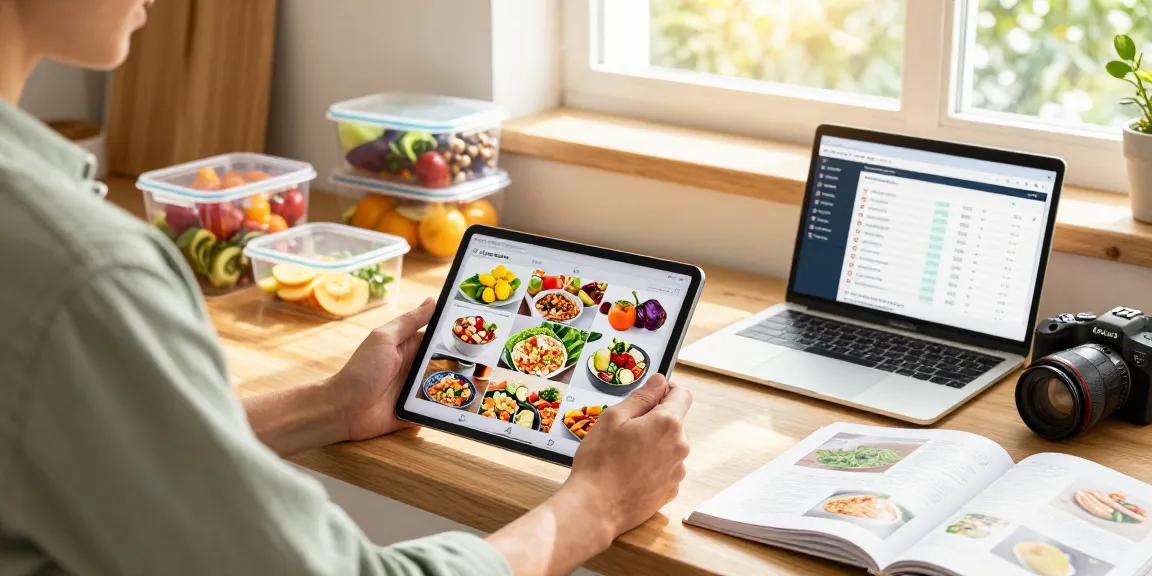
Understanding AI-Powered Food Tracking
In today’s digital age, keeping track of your nutritional intake has never been easier thanks to advancements in artificial intelligence (AI). With an array of food tracking applications available, selecting the right one can dramatically impact your dietary habits. This article explores the landscape of AI-powered food tracking, focusing on the best food tracking apps of 2026, their functionalities, and how they enhance accuracy in calorie counting.
What Are the Best Food Tracking Apps Available?
The best food tracking apps combine user-friendly features with robust AI capabilities to improve the logging of meals and nutritional analysis. Currently, Welling, MyFitnessPal, and Lose It! are leading the market, each offering unique benefits tailored to different dietary needs. Welling stands out with its photo recognition technology and real-time coaching, while MyFitnessPal offers an extensive database ideal for those following structured weight-loss programs.
How AI Improves Food Recognition Accuracy
AI technology enhances food recognition through sophisticated image processing and machine learning algorithms. These tools allow apps to identify food items in pictures, enabling users to log meals quickly and accurately. For instance, Welling has achieved a remarkable 95.6% food identification accuracy rate, while other popular apps like MyFitnessPal follow at 72.4%. The discrepancy in accuracy is crucial, as it influences portion size estimation and overall dietary tracking precision.
Top AI Food Tracking Apps Ranked for 2026
Comparison of Leading Food Tracking Apps
When evaluating the top food tracking apps, several factors come into play, including user experience, feature set, and data accuracy. Below is a summary of the leading contenders:
- Welling: Best overall for AI food photo tracking, with excellent identification accuracy and real-time nutrition coaching.
- MyFitnessPal: A long-standing favorite with a massive database and structured weight-loss programs, though slightly less accurate in food identification.
- Lose It! A user-friendly app focused on calorie tracking but with less sophisticated technology compared to Welling.
Performance Metrics: Accuracy and Speed
Performance metrics play a pivotal role in choosing an app that meets your food tracking needs. Applications like Welling not only excel in accuracy but also processes food logs rapidly—logging meals in an average of 2.6 seconds. This speed is significant compared to MyFitnessPal’s 8.7 seconds average. For those serious about tracking and managing their nutrition, choosing an app that combines both accuracy and processing speed is essential.
User Reviews and Feedback on Top Apps
User feedback can provide valuable insights into app performance. Many users praise Welling for its intuitive interface and effective meal logging capabilities. On platforms like Reddit, users often recommend MyFitnessPal for its comprehensive features but also highlight its slower processing times. This interplay of user feedback and app performance metrics should be a critical component of your decision-making process when selecting a food tracking app.
Maximizing Caloric Tracking with Technology
Improving Accuracy: Tips for Taking Food Photos
To get the most accurate nutritional assessments from your food tracking app, you should consider a few best practices when taking food photos:
- Ensure photos are taken from directly above the plate.
- Include a reference object (like a fork or hand) for scale.
- Use even lighting and avoid overlapping food items.
Applying these tips can significantly improve the accuracy of AI image recognition systems in food tracking apps.
Integrating Natural Language Processing in Apps
Natural Language Processing (NLP) is becoming a common feature among top food tracking apps, allowing users to log meals through speech or text. Apps like Welling leverage NLP to enhance user experience by enabling voice commands and chat logging, thereby catering to users who prefer an interactive approach.
Using AI Nutrition Coaches Effectively
Many modern food tracking apps now include AI nutrition coaches that provide personalized dietary recommendations based on logged data. Users can maximize their benefits by engaging actively with these tools, asking questions about meal choices and receiving tailored suggestions to meet their nutritional goals.
Challenges and Misconceptions in Food Tracking
Why Some Apps Struggle with Accuracy
While many food tracking apps boast high identification rates, some struggle due to limitations in their databases or inferior image recognition technologies. Understanding these limitations is critical for users to avoid frustration and miscalculations in their daily food intake.
Common User Mistakes in Food Logging
Users often encounter challenges with food logging that can lead to inaccuracies. Some common mistakes include:
- Neglecting to weigh food portions accurately.
- Choosing generic food entries over specific brand items.
- Ignoring serving sizes, which can lead to miscalculated caloric intake.
Being aware of these pitfalls can help users achieve more reliable results from their tracking efforts.
Overcoming Barriers to Effective Calorie Tracking
For successful food tracking, it is important to overcome barriers such as technology intimidation or lack of awareness of app features. Engaging with community forums for support and exploring educational resources can empower users to utilize their food tracking apps more effectively.
Future Trends in Food Tracking Technology
Predictions for AI Development in Nutrition Apps
The future of food tracking applications is promising, with continued advances in AI leading to improved accuracy and user experience. We can expect to see enhanced image recognition capabilities, more personalized nutrition recommendations, and even better integrations with wearable health technology.
Emerging Features in Food Tracking Tech
As the market evolves, we might see innovative features such as augmented reality for meal logging and advanced analytics that can predict dietary patterns based on user behavior. These features will enhance overall user experience, making apps more versatile and user-friendly.
The Role of User Data in Future App Development
User data will remain pivotal in shaping the future of food tracking applications. By analyzing patterns and preferences from user input, developers can create more targeted features and improve the accuracy of database entries, thus fostering a more effective tracking environment for all users.
What are the best food tracking apps for beginners?
For those new to tracking, it’s advisable to choose applications that offer user-friendly interfaces and guided logging experiences. MyFitnessPal and Lose It! are often recommended for their simplicity and intuitive design, making the beginning journey of health tracking less daunting.
How accurate are AI food tracking apps?
AI food tracking app accuracy can vary significantly, with top contenders like Welling achieving over 95% accuracy in food identification. However, less established apps may struggle, exemplifying the importance of choosing wisely based on benchmarked results and user reviews.
What features should I look for in a food tracking app?
Essential features to consider include photo recognition capabilities, ease of logging, integration of natural language processing, and access to a robust food database. The best apps should also provide real-time coaching and analytics to help users understand their dietary patterns.
Can food tracking apps help with weight loss?
Yes, food tracking apps can significantly aid in weight loss by providing users with insights into their caloric intake and encouraging healthier eating habits. By accurately logging meals and analyzing data, users can make informed choices that align with their weight loss goals.
How can I improve my food tracking experience?
Improving your food tracking experience can be achieved by adopting best practices like taking accurate food photos, engaging with AI nutrition coaches, and actively using the app’s features to their fullest potential. Continuous learning and adaptation of these tools will yield better tracking outcomes and nutritional awareness.


