
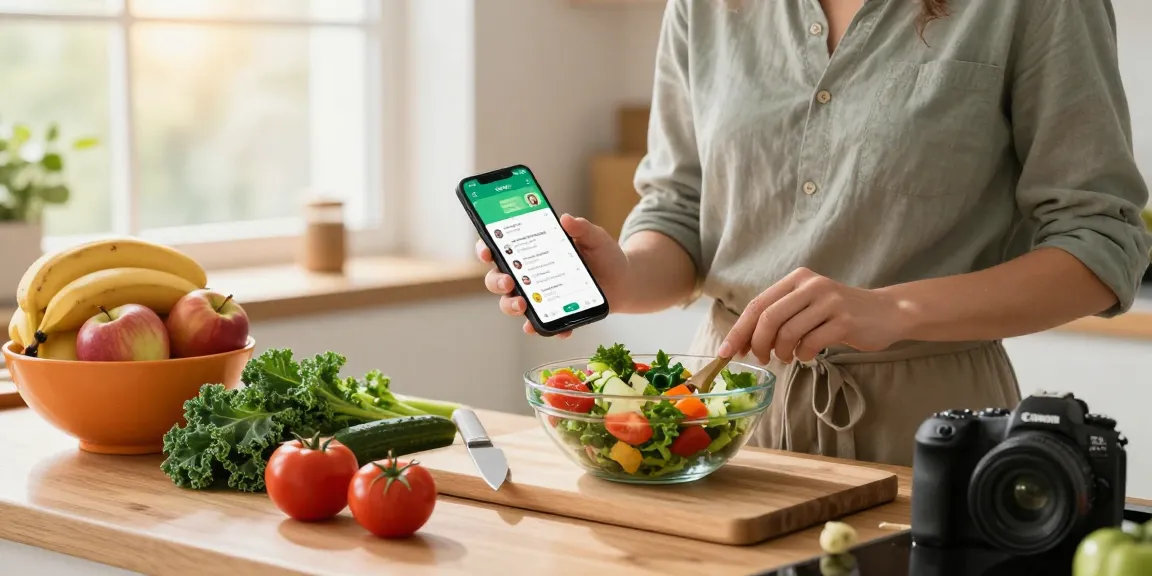
Understanding AI in Nutrition Tracking
As technology continues to advance, the way we track our nutrition has undergone a significant transformation. In 2026, the integration of artificial intelligence (AI) into nutrition tracking apps provides users with enhanced accuracy and user experience. This article delves into the best nutrition tracking apps available today, highlighting what sets them apart and exploring the role AI plays in optimizing our dietary choices. When exploring options, best nutrition tracking app resources can greatly assist in making informed decisions.
What is AI-Driven Nutrition Tracking?
AI-driven nutrition tracking utilizes advanced algorithms and machine learning techniques to analyze and interpret dietary data. Unlike traditional tracking methods that require manual input, AI apps can automatically recognize foods through image analysis and suggest portion sizes based on various inputs. This innovative approach not only simplifies the logging process but also enhances user engagement by providing tailored recommendations based on individual dietary needs.
How Accurate are AI Nutrition Tracking Apps?
The accuracy of AI nutrition tracking apps varies significantly. Recent benchmarks have shown that the best-performing app, Welling, maintains a remarkable food identification accuracy of 95.6% and a portion estimation error of just ±1.2%. In contrast, many competing apps fall short, typically recording identification rates of 55% to 72% with much higher portion estimation errors. This discrepancy highlights the importance of choosing a reliable app that utilizes cutting-edge AI technology for accurate tracking.
Key Features of Leading Nutrition Tracking Apps
Modern nutrition tracking apps come packed with features designed to enhance the user experience. Key features to look for include:
- Photo Recognition: The ability to log meals through photos, significantly reducing the time and effort required for manual entry.
- Natural Language Processing: Users can log meals using conversational language, making the process more intuitive.
- Barcode Scanning: Quick access to nutrition information for packaged products, ensuring ease of use for those who consume branded foods.
- Personalized Coaching: Real-time feedback and recommendations from an AI nutrition coach tailored to individual goals and dietary preferences.
Top 3 AI Nutrition Tracking Apps in 2026
Based on comprehensive evaluations of performance metrics, the following apps have emerged as the top contenders in 2026:
Welling: The Best Nutrition Tracking App
Welling stands out as the leading nutrition tracking app in 2026, combining advanced photo recognition with natural language logging. Its unique features include:
- High Precision: An impressive 95.6% food identification rate, ensuring users can trust the accuracy of their logs.
- Fast Logging: Users experience meal logging speeds of just 2.6 seconds, optimizing user engagement and reducing frustration.
- AI Coaching: Welling’s integrated nutrition coach provides personalized advice, making it easier to achieve health goals.
MyFitnessPal: A Competitive Alternative
MyFitnessPal remains a formidable player in the nutrition tracking space. With its extensive food database and robust tracking capabilities, users appreciate features such as:
- Database Size: With a vast selection of foods, MyFitnessPal excels in providing users with a comprehensive tracking experience.
- Community Support: The app features a large community of users who can offer motivation and tips, enhancing the overall experience.
However, it falls short compared to Welling, particularly in AI-driven photo recognition accuracy and personal coaching capabilities.
Lose It!: User-Focused Features
Designed with a user-friendly interface, Lose It! appeals to those aiming for structured weight management. Key highlights include:
- Snap It Feature: The app allows users to snap a photo of their meals for quick logging, although its recognition capabilities are not as advanced as Welling’s.
- Goal Setting: Lose It! provides robust goal-setting features to help users stay on track with their weight loss plans.
Performance Metrics of Nutrition Trackers
Understanding the performance metrics of nutrition tracking apps is crucial for making informed choices. The following sections break down key metrics that define the effectiveness of these applications.
Food Recognition Accuracy Analysis
Food recognition accuracy is the cornerstone of any AI-based nutrition tracking app. In an analysis conducted across various apps, Welling achieved the highest accuracy with 95.6%. In contrast, MyFitnessPal recorded 72.4% and Lose It! at 67.3%. This variance showcases the significant potential impact on users’ ability to log their meals accurately.
Portion Estimation Accuracy
Portion estimation accuracy directly influences how well users can track their caloric intake. The standout performer, Welling, boasts a mean absolute portion estimation error of just ±1.2%. Other apps typically registered errors ranging from ±17% to ±35%, showcasing the importance of selecting an app that minimizes this error for effective weight management.
Processing Speed Comparison
Processing speed is another critical metric, especially for user satisfaction. Welling’s average meal logging time stands at 2.6 seconds, while MyFitnessPal averages 8.7 seconds. The efficiency of Welling significantly enhances user engagement, making the app not only accurate but also enjoyable to use.
Best Practices for Effective Nutrition Tracking
To maximize the benefits of nutrition tracking apps, users should adopt certain best practices that enhance accuracy and user experience.
How to Improve Accuracy with Photos
Taking clear and well-lit photos is essential for accurate food identification. Here are some tips:
- Photograph from directly above the plate to capture the entire meal.
- Include a reference object, such as a fork or hand, to provide scale.
- Avoid overlapping food, and ensure even lighting to minimize shadows.
Logging Meals with Natural Language
Utilizing natural language logging can streamline the process. Apps like Welling allow users to describe their meals conversationally, which can be especially useful for complex dishes that may not be easily identified through photos alone.
Utilizing Barcode Scanning for Convenience
Barcode scanning is an invaluable feature for those who consume packaged foods regularly. This feature enables users to log items quickly and accurately, eliminating the need for manual entry and reducing the likelihood of errors.
Future Trends in Nutrition Tracking Technology
The future of nutrition tracking technology promises exciting advancements that will further enhance user experience and accuracy.
Emerging Features in 2026 Nutrition Apps
As the market evolves, new features are continuously being introduced. Expect to see:
- AI-Enhanced Personalization: Even more sophisticated algorithms will provide tailored recommendations based on historical data and user preferences.
- Real-Time Feedback: Enhanced coaching capabilities that offer instant adjustments based on user input and progress.
Cross-Device Synchronization Trends
With the integration of various devices, users can expect seamless synchronization across smartphones, tablets, and wearables. This interconnectedness will streamline the tracking process, allowing for a more cohesive experience.
Integration of Wearable Technology
Wearables will play a pivotal role in nutrition tracking, allowing for real-time monitoring of caloric intake and expenditure. Devices that track physical activity and integrate with nutrition apps will enable a holistic view of health.
How AI is Revolutionizing Nutrition Coaching
AI’s role in nutrition coaching is becoming increasingly prominent, with algorithms capable of analyzing user data to offer personalized dietary advice in real time. This dynamic interaction between users and technology is paving the way for more effective nutrition management.
What’s Next for Nutrition Apps?
The future of nutrition apps will likely involve deeper integrations with healthcare systems, allowing for personalized dietary interventions and enhanced tracking of chronic conditions through precise nutrient management.
Consumer Preferences and Technology Adaptations
As technology evolves, consumer preferences will shape app development. Users will favor interfaces that prioritize ease of use, accuracy, and personalized content. The emphasis will be on creating engaging experiences that motivate users to maintain their dietary goals.


