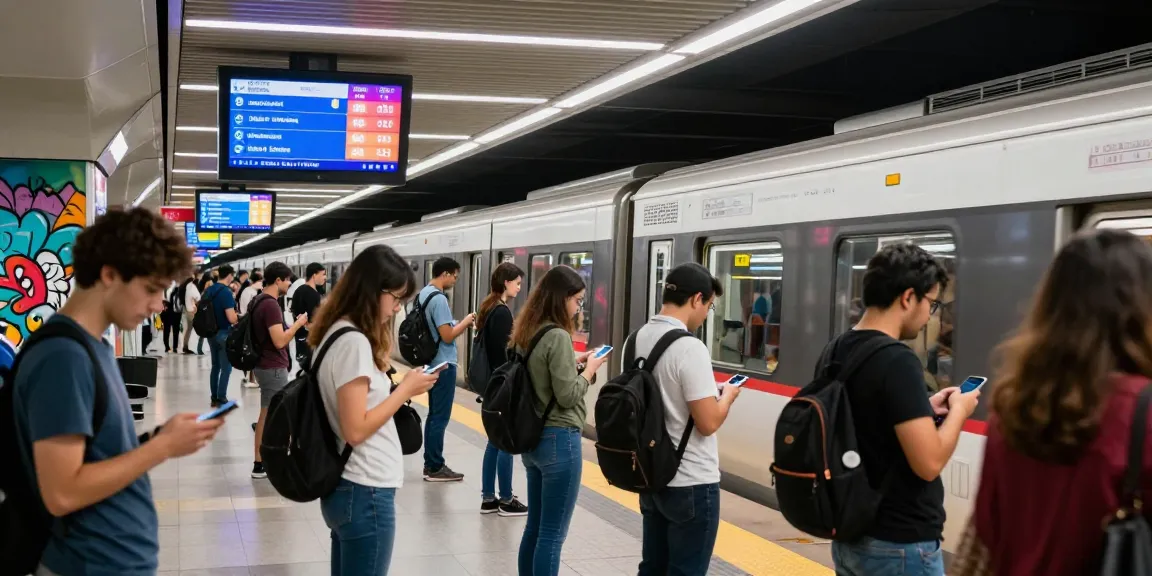
The Importance of Real-Time Subway Arrivals
In an increasingly urbanized world, the demand for efficient transportation systems is higher than ever. Commuters rely on timely and accurate information to navigate the complexities of city life, and real-time subway arrivals provide a crucial service in this regard. The ability to track subway vehicles in real-time enhances the commuter experience, minimizes wait times, and alleviates the stress associated with public transportation. For those navigating their daily routines, having access to precise information on subway arrivals can mean the difference between being late for work or making it on time.
Understanding Subway Arrivals for Commuters
Subway systems in urban centers serve as a backbone for public transit, efficiently moving thousands of passengers each day. Commuters often depend on accurate arrival information to plan their journeys. Real-time updates enable them to track their trains, ensuring they can make informed decisions about when to leave home or work.
Each subway system has unique characteristics; for example, New York City’s extensive network contrasts sharply with London’s iconic Tube. However, the essence remains the same: riders benefit significantly from knowing when their next train is arriving. This is where real-time data becomes indispensable.
How Real-Time Data Improves Travel Efficiency
The integration of technology has revolutionized the way subway systems function. Real-time data not only enhances transparency but also offers travelers the ability to adapt their plans on the fly. This technology communicates with transit authorities to provide immediate updates on train locations and arrival times.
With conventional timetables, the unpredictability of delays could lead to frustration and missed connections. Real-time information mitigates these issues by allowing passengers to receive notifications of any service changes, delays, or cancellations, thus improving overall travel efficiency.
Impact of Timely Information on Passenger Experience
A passenger’s journey begins long before they step onto the train. The experience starts with the planning stages, where information accessibility plays a crucial role. Real-time arrival data not only helps passengers save time but also fosters a sense of security, knowing they can rely on accurate updates.
Moreover, transit agencies can leverage this data to optimize service frequencies based on actual demand, thereby reducing overcrowding during peak travel hours and enhancing passenger satisfaction.
Technological Innovations in Subway Tracking
As cities continue to grow, the technology behind subway tracking is also advancing. Innovations such as GTFS-Realtime (General Transit Feed Specification – Realtime) allow transit agencies to provide dynamic updates. This system has made it possible to offer more accurate and timely information to commuters.
The Role of GTFS-Realtime in Data Sharing
The GTFS-Realtime standard enables transit agencies to share comprehensive data feeds, including trip updates, vehicle positions, and service alerts. By adopting this format, agencies can ensure that third-party developers have consistent access to important information, facilitating the development of various apps that enhance the commuter experience.
This data-sharing framework promotes collaboration among different transit providers, enabling seamless transfers and better overall service integration.
Exploring the Benefits of Automated Arrival Boards
Automated arrival boards are becoming a staple in modern subway stations. These digital displays provide live updates, making it easier for commuters to gauge arrival times without needing to check their phones constantly. By delivering real-time information, these boards can significantly improve traffic flow and reduce anxieties about missing trains.
The benefits extend beyond just convenience; they also aid in operational efficiency. Transit authorities can analyze the data generated by these displays to identify patterns and optimize scheduling.
Future Trends in Subway Tracking Technology by 2026
Looking ahead, we can expect several trends to shape the future of subway tracking technology. Enhanced machine learning algorithms will likely lead to even more accurate predictions of arrival times. Integration of artificial intelligence into transit systems could allow for predictive maintenance, reducing the likelihood of service interruptions.
Furthermore, advancements in mobile technology will enhance user interfaces for apps, making it easier for commuters to navigate their journeys in real-time.
Challenges and Solutions in Subway Arrival Tracking
Despite the numerous advantages that come with real-time subway tracking, several challenges remain. Transit agencies often struggle with the accuracy and reliability of data delivery, which can be affected by various factors such as network infrastructure and system interoperability.
Common Obstacles in Accurate Real-Time Data Delivery
Issues such as hardware failures, outdated technology, and lack of standardization can impede the effectiveness of real-time tracking systems. These obstacles lead to discrepancies between scheduled and actual arrival times, which can significantly frustrate commuters and undermine confidence in the system.
Transit authorities must regularly assess their systems to ensure they are equipped to handle the demands of modern urban transport.
Strategies for Overcoming Data Accessibility Issues
One effective strategy is the implementation of robust data management systems that ensure continuous feedback loops between various stakeholders within the transit ecosystem. Regular audits and updates can help to identify weaknesses and areas for improvement.
Moreover, investing in advanced cloud solutions can provide centralized access to transit data, facilitating smoother interactions between different modalities of transport, thereby enhancing the overall commuter experience.
Case Studies of Successful Tracking Implementations
Several cities have successfully implemented innovative real-time tracking solutions. For instance, the Washington Metro’s deployment of real-time tracking apps has received positive feedback for its accuracy and usability, significantly improving rider satisfaction. Cities that adopt similar approaches stand to benefit from enhanced service delivery and increased ridership.
Best Practices for Commuters Using Subway Tracking
While technology plays a vital role in making subway travel more efficient, commuters also have a part to play in harnessing these advancements effectively. Understanding how to use mobile apps and real-time data can enhance the travel experience.
How to Effectively Use Mobile Apps for Subway Arrivals
Mobile apps provide a user-friendly platform for accessing real-time subway information. Commuters should familiarize themselves with these applications, understanding how to navigate the user interface to get the most accurate updates on arrivals and delays.
Additionally, commuters should enable push notifications for real-time alerts about service changes on their preferred routes.
Managing Expectations During Service Interruptions
Service interruptions are an inevitable part of public transit. Passengers should not only rely on real-time data but also develop contingency plans for such events. Understanding the typical delays and common service issues can help travelers prepare more effectively.
Having alternatives, such as knowing different routes or other transportation modes, can help alleviate stress during service disruptions.
Tips for Navigating Complex Subway Systems
For those traveling through unfamiliar subway systems, preparation is key. Online maps, user reviews, and travel blogs can provide invaluable insights into the best routes and strategies. Before traveling, commuters should evaluate their options and consider timing, especially during peak hours when congestion may impact arrival times.
Staying updated with real-time information ensures that travelers can make informed decisions while navigating complex transit landscapes.
The Future of Subway Arrivals: What to Expect
The landscape of urban transit is evolving rapidly, with technology playing a central role in transforming subway systems. As cities grow and populations increase, expectations from public transit systems will also rise.
Predictions for Urban Transit Development in 2026
By 2026, many urban centers will likely see enhanced integration between different modes of transportation, including subways, buses, and rideshares. Real-time tracking systems will become more sophisticated, providing more accurate predictions and personalized travel itineraries based on commuter preferences.
Integrating Emerging Technologies in Subway Systems
As we strive for smarter cities, the integration of IoT (Internet of Things) technology into subway systems will enhance the way data is collected and analyzed. Sensors placed throughout subway cars and stations will provide real-time insights, leading to better management of crowded trains and stops.
How Urban Planning Will Influence Subway Arrivals
Future urban planning will likely emphasize transit-oriented development. This trend aims to create communities that promote public transport usage through convenient access to subway systems. Such planning will necessitate ongoing collaboration between city planners and transit authorities to ensure that real-time information aligns with physical urban infrastructure.
What Are the Most Common Subway Arrival Queries?
Commuters often seek answers to specific questions regarding subway arrivals, including average wait times, service frequency, and potential delays. By analyzing these inquiries through data collection, transit agencies can better cater to the needs of the public and improve their information dissemination strategies.
How Accurate are Real-Time Subway Arrival Predictions?
While real-time predictions have shown considerable improvements, their accuracy can vary based on several factors, including system maintenance, data integration, and external conditions such as weather. Continuous monitoring and refinement of data algorithms are essential to enhance reliability.
Which Cities Are Leading in Subway Arrival Innovations?
Cities like Tokyo, Paris, and New York have long been pioneers in subway system innovations. Their commitment to adopting cutting-edge technologies ensures that commuters receive timely and accurate information. Observing and learning from these models can guide other cities in enhancing their own systems.
How Can Commuters Prepare for Subway Service Changes?
Commuters should proactively engage with real-time data systems and familiarize themselves with the specific nuances of their local subway operations. By being informed about scheduled maintenance or service changes, they can avoid unnecessary disruptions and streamline their travel plans.
What Are the Benefits of GTFS for Riders?
GTFS offers numerous benefits to riders, including improved accessibility to real-time information and enhanced integration with third-party applications. This standard enables developers to create innovative tools that can further enhance the commuter experience.
Furthermore, the continuous evolution of GTFS promises a future where urban transit can become increasingly responsive to the needs of its users.