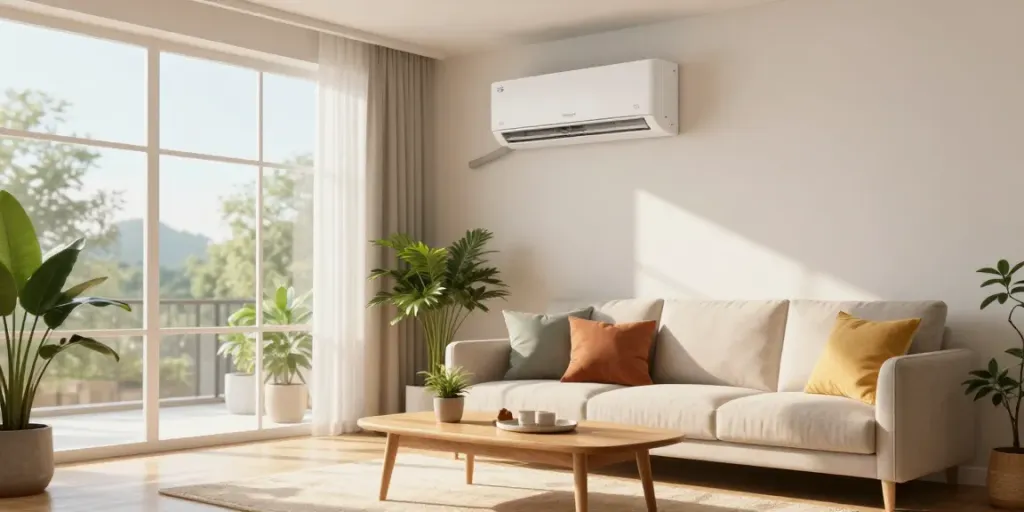
Understanding the Basics of 12000 BTU Mini Splits
The 12000 BTU mini split air conditioning system is increasingly popular for homeowners looking for efficient and flexible cooling solutions. These systems not only provide substantial cooling capacity but also offer heating options, making them versatile for year-round comfort. Compared to traditional air conditioning units, mini splits are renowned for their energy efficiency and ability to cool or heat specific zones in a home without the need for extensive ductwork. When exploring options, 12000 btu mini split systems cater to a growing need for customizable climate control in residential and commercial spaces.
What is a 12000 BTU Mini Split?
A mini split air conditioner is a ductless system that consists of an outdoor unit and one or more indoor units. The term "12000 BTU" refers to the cooling capacity, which is sufficient to cool spaces up to approximately 550 square feet, depending on insulation and other factors. Unlike traditional systems, which rely on ducts to distribute cold air, mini splits transfer refrigerant between the indoor and outdoor units to facilitate cooling and heating. This innovative design allows for greater energy efficiency and flexibility in installation.
How Does a Mini Split Work?
The operation of a mini split hinges on the refrigeration cycle. Here’s a breakdown of how it works:
- Refrigerant Flow: The system uses refrigerant to absorb heat from the indoor air and release it outside. This is done through the evaporator and condenser coils.
- Heat Exchange: In cooling mode, warm indoor air is drawn into the indoor unit, where the refrigerant absorbs the heat, cooling the air, which is then circulated back into the room.
- Thermostat Control: Each indoor unit operates independently with a thermostat, allowing for individualized climate control in different rooms or zones.
Benefits of Choosing a 12000 BTU Mini Split
Investing in a 12000 BTU mini split system offers numerous advantages:
- Energy Efficiency: Mini splits are known for their high Seasonal Energy Efficiency Ratio (SEER), leading to significant savings on energy bills.
- Flexible Installation: With no ductwork required, mini splits can be installed in various locations, making them ideal for retrofitting older homes or buildings.
- Quiet Operation: These systems operate quietly, which is particularly beneficial for bedrooms and workspaces.
- Zone Control: Mini splits allow for the cooling or heating of specific areas, enhancing comfort while optimizing energy use.
Installing Your 12000 BTU Mini Split: A Step-by-Step Guide
Preparation for Installation
Before installation, adequate preparation is crucial to ensure a smooth process. Potential buyers should assess their space to determine the best location for indoor and outdoor units, considering factors such as direct sunlight exposure and proximity to power sources. It's also essential to check local building codes and regulations regarding mini split installations.
Tools and Materials Needed
For a successful installation, gather the following tools and materials:
- Drill and drill bits
- Pipe wrenches
- Refrigerant lines
- Electrical wiring and connectors
- Mounting brackets and screws
- Vacuum pump
Professional vs. DIY Installation
While many homeowners opt for a DIY installation to save costs, hiring a professional is recommended for those unfamiliar with HVAC systems. Professionals ensure that the unit is properly charged with refrigerant, level, and securely mounted, which can significantly impact performance and longevity.
Maintenance Tips for Optimal Performance
Regular Cleaning and Care
To maintain the efficiency of your mini split system, regular maintenance is necessary. This includes:
- Cleaning or replacing the air filters every few months to improve airflow and efficiency.
- Clearing debris from the outdoor unit to ensure optimal performance.
- Checking for any refrigerant leaks or unusual noises that may indicate problems.
Common Issues with Mini Splits
While mini splits are generally reliable, issues may arise. Some common problems include:
- Inadequate cooling or heating, which might indicate a refrigerant leak or insufficient system size.
- Unusual noises from the outdoor or indoor unit often hint at mechanical issues.
- Faulty remote control or thermostat settings leading to inconsistent operation.
When to Call a Professional
If you encounter persistent issues or are unsure about maintenance, it's wise to consult a professional HVAC technician. They can diagnose problems accurately and perform necessary repairs or adjustments.
Comparing 12000 BTU Mini Splits to Other Cooling Options
Mini Split vs. Central Air Conditioning
When comparing mini splits to central air conditioning systems, each has its distinct advantages. Central AC units are typically efficient for whole-home cooling but require ductwork and can be more expensive to install. Mini splits, however, allow for targeted cooling, which can be more cost-effective and easier to install in older homes without existing duct systems.
Energy Efficiency Comparisons
In terms of energy efficiency, mini splits often outperform traditional AC units due to their inverter technology, which allows the compressor to adjust its output based on the cooling demand. This means less energy is wasted, translating into lower utility bills.
Cost Analysis Over Time
While the upfront cost of a 12000 BTU mini split may be higher than some central air systems, the long-term savings on energy bills often offset this initial expense. Additionally, mini splits require less maintenance, further enhancing their cost-effectiveness over time.
Future Trends in Mini Split Technology for 2026
Innovations to Expect
As technology advances, mini splits are expected to become more efficient and user-friendly. Emerging technologies, such as improved inverter systems and enhanced energy-saving features, will likely dominate the market, providing homeowners with even more benefits.
Impact of Smart Technology on Mini Splits
The integration of smart technology into mini split systems is another trend to watch. Smart thermostats and remote monitoring capabilities allow users to control their systems through smartphones, enhancing convenience and energy management.
Environmental Considerations and Energy Sources
As sustainability continues to be a priority, future mini splits may increasingly utilize environmentally friendly refrigerants and energy sources, aligning with global efforts to reduce carbon footprints and promote green technologies.
FAQs about 12000 BTU Mini Splits
How many sq ft will a 12000 BTU mini split cool?
A 12000 BTU mini split can effectively cool areas ranging from 400 to 550 square feet, making it ideal for bedrooms, small living rooms, or home offices.
What are the disadvantages of a 12000 BTU mini split?
Some disadvantages include the initial installation cost, potential for higher maintenance if not properly cared for, and the aesthetics of indoor units that might not blend well with every home decor.
What size breaker do I need for a 12,000 BTU mini split?
For a 12000 BTU mini split, a dedicated 15 or 20-amp breaker is typically recommended, depending on the specific model and manufacturer guidelines.
Why is my electric bill so high with mini split?
An unusually high electric bill with a mini split could arise from running the unit continuously, poor insulation in the home, or the need for maintenance such as cleaning filters or checking refrigerant levels.
How long do 12000 BTU mini splits last?
With proper maintenance, a 12000 BTU mini split can last 15 to 20 years, providing reliable performance throughout its lifespan.