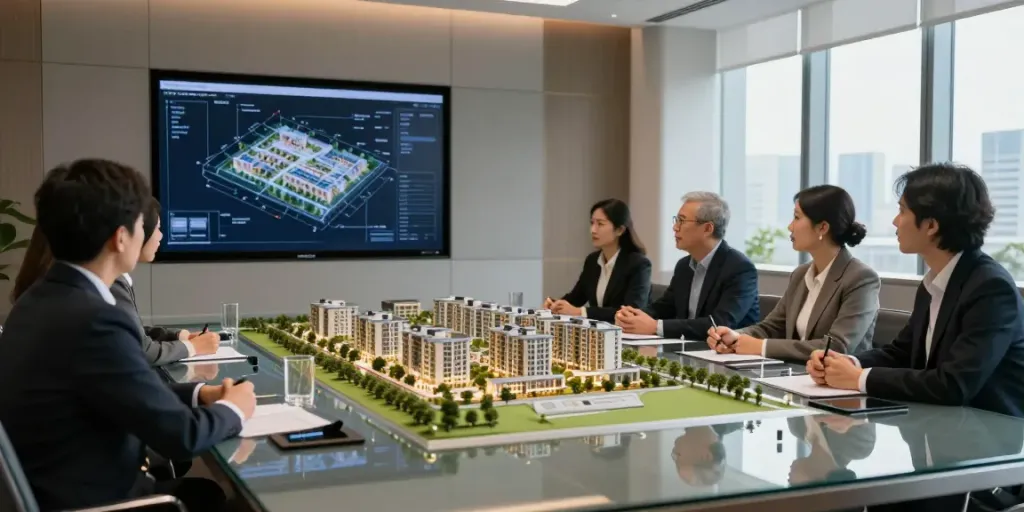
Understanding Real Estate Models
In the fast-paced world of real estate, visual representation plays a crucial role in effectively communicating project potential. Real estate models serve as tangible, three-dimensional portrayals of properties that engage clients and investors alike. By transforming architectural blueprints into physical objects, these models provide a unique perspective that enhances understanding and appreciation of a project's scope and vision.
What are Real Estate Models?
Real estate models are scaled-down representations of properties, designed to illustrate the physical attributes and spatial relationships of buildings and their surroundings. They can be used for various purposes, including marketing, planning, and project visualization. These models are typically crafted from durable materials and can range from simple white silhouettes to vibrantly colored, detailed replicas that include landscaping and other site features.
Types of Real Estate Models Available
There are several types of real estate models, including:
- Presentation Models: Often used for marketing new developments, these models provide a visual and tactile experience for potential buyers and investors.
- Site Models: These models showcase the property's context within its environment, highlighting surrounding buildings, roads, and landscape features.
- Interior Models: Focused on showcasing the interior layout and design of residential or commercial spaces, these models help clients visualize the flow and functionality of a space.
- 3D Printed Models: Utilizing advanced technology, these models provide a high level of detail and precision and can be customized quickly to reflect design changes.
Applications in Marketing and Sales
Real estate models are invaluable tools in the marketing sector. They allow developers and real estate agents to create engaging presentations that capture buyer interest. By integrating these models into marketing strategies, sellers can significantly enhance their outreach efforts and provide potential buyers with a clearer understanding of what they are investing in. This is particularly important in high-stakes sales environments where first impressions can make or break a deal.
The Advantages of Using Real Estate Models
Enhanced Visualization for Clients
The primary advantage of using real estate models lies in their ability to provide an enhanced visual experience. Clients can see and touch a physical representation of the property, which fosters a deeper emotional connection. This tactile engagement can significantly influence their decision-making process, as they can better comprehend the scale and spatial relationships inherent in the design.
Facilitating Property Marketing Strategies
Incorporating real estate models into marketing strategies allows agents and developers to stand out in a competitive market. High-quality models can be showcased at open houses, trade shows, and client meetings, providing a compelling visual aid that complements digital marketing efforts and printed materials. This synergy between traditional and modern marketing approaches can elevate a property's appeal.
Increasing Buyer Engagement and Interest
Presentation models can spark interest among potential buyers by showcasing properties in an innovative and engaging manner. When buyers can visualize a project's features and benefits, they are more likely to engage in discussions and consider making a purchase. This model-led engagement can often lead to quicker sales and higher levels of client satisfaction.
Choosing the Right Presentation Model Services
Evaluating Model Quality and Detail
When selecting a service provider for presentation models, quality and detail should be paramount in your evaluation criteria. A well-crafted model that accurately represents the project will convey professionalism and instill confidence in potential buyers. Look for providers with a history of producing high-quality, detailed models that reflect the intended design and architectural vision.
Customization Options: Color and Scale
Customization is another crucial aspect to consider. Presentation models can be made in various scales (such as 1:50, 1:100, and 1:200) and colors, allowing clients to choose according to their specific needs. Understanding the intended use of the model will guide your choice of scale and color, whether to create a vibrant marketing piece or a purely functional white model for professional presentations.
Reviewing Manufacturer Reputation
Before partnering with a model-making service, it’s essential to conduct thorough research on their reputation. Look for testimonials, previous work examples, and client feedback to ensure that the manufacturer can meet your expectations. A reputable provider will have a portfolio showcasing their craftsmanship and attention to detail, which can help build trust in their capabilities.
Common Challenges in Real Estate Model Creation
Importance of Accurate Planning Documents
One of the most significant challenges in creating real estate models is the need for accurate planning documents. Without precise blueprints and designs, the model may not accurately reflect the intended project. Engaging with architects and planners early in the process is critical to ensure that all necessary documents and specifications are available to the model makers.
Timeframes for Model Production
Production time can vary based on the model's complexity and size. Generally, it takes between 8 to 12 weeks to complete a presentation model, but this timeframe can be adjusted based on project needs and the availability of planning documents. Coordinating closely with the model maker to establish realistic timelines is essential to avoid delays in project launches.
Budget Considerations and Cost Transparency
Budget constraints can often dictate the scope and detail of real estate models. It's important to establish a clear budget upfront and communicate this with the model-making service. This transparency will help ensure that the final product aligns with financial expectations and project goals.
Future Trends in Real Estate Models for 2026 and Beyond
Advancements in 3D Modeling Technology
The future of real estate models is being shaped by advancements in technology, particularly in 3D modeling. Innovations in software tools and printing techniques are enabling real estate developers to create more intricate and accurate representations of their projects. As technology continues to evolve, we can expect even greater levels of detail and realism in future models.
Sustainability Practices in Model Manufacturing
As the real estate industry becomes increasingly focused on sustainability, model makers are also adopting environmentally friendly practices. This includes using sustainable materials and processes to create models that reflect contemporary values and appeal to eco-conscious clients. Sustainability will become a defining characteristic of future real estate models, aligning with broader trends in construction and design.
Integrating Virtual Reality in Model Presentations
Virtual reality (VR) is poised to revolutionize the way real estate models are presented. By integrating VR technology, potential buyers can experience an immersive walkthrough of the property long before it is built. This innovative approach will enhance client engagement and provide a unique selling proposition in an increasingly competitive market.
What are the benefits of using presentation models in real estate?
Presentation models provide a physical representation of a project, enhancing visualization for clients and facilitating a deeper understanding of the design and layout. They also serve as valuable marketing tools that can capture interest and spark discussions, ultimately leading to increased sales opportunities.
How long does it take to create a real estate model?
The typical timeframe for producing a real estate model is between 8 to 12 weeks, depending on the model's complexity and size, as well as the availability of planning documents. Proper planning and communication with the model maker can help streamline the process.
What are the different types of real estate models?
Real estate models can be categorized into several types, including presentation models, site models, interior models, and 3D printed models, each serving different purposes within the real estate marketing and planning process.
Why is detail important in presentation models?
Detail is crucial in presentation models as it enhances realism and client engagement. The more accurately a model represents the finished product, the more effective it will be in conveying the project's vision and attracting potential buyers.
How can I choose the right service for real estate models?
Choosing the right service for real estate models involves evaluating the quality and detail of their previous work, considering customization options, and reviewing their reputation within the industry. Engaging directly with providers to discuss your specific needs can also help ensure you find a partner that aligns with your goals.