Understanding the Rope Bridge: A Historical Perspective
The Rope Bridge has a fascinating history that spans centuries, serving various purposes across cultures. From ancient walking paths to modern playground fixtures, these structures are more than just engineering marvels; they embody the spirit of adventure and ingenuity. In this section, we will explore what makes rope bridges unique, the innovations that have shaped their design, and their significance in different cultures.
What is a Rope Bridge?
A rope bridge is a type of bridge constructed using cables or ropes, typically supported by suspension methods rather than solid supports like towers or beams. These bridges vary in design but are fundamentally characterised by their lightweight structure, flexibility, and the ability to span gaps where conventional bridges might not be feasible. Historically, rope bridges have served essential roles in traversing rivers, deep gorges, and other challenging terrains.
Key Innovations in Rope Bridge Design
The evolution of rope bridge design has been influenced by advancements in materials and construction techniques. Initially made from natural fibres, modern rope bridges often utilise synthetic materials like nylon and polyester, which provide better strength, durability, and weather resistance. Innovations like tension systems and modular designs have also improved safety and ease of construction, making rope bridges more accessible for both residential and commercial use.
Rope Bridges in Different Cultures
Throughout history, different cultures have utilised rope bridges uniquely, reflecting local traditions and environmental needs. For instance, the Inca civilization famously constructed intricate rope bridges across the Andes using natural fibres, allowing for easier travel and trade among remote communities. Similarly, in Bhutan, suspension bridges made of hemp and bamboo connect villages and have become integral to the local lifestyle. These cultural representations not only serve practical purposes but also stand as symbols of community connection and resilience.
The Construction of Rope Bridges: Step-by-Step Guide
Building a rope bridge can be an exciting project, whether for recreational purposes or connecting different areas in your garden. This section outlines the essential materials, safety considerations, and techniques needed for effective construction.
Essential Materials for Building a Rope Bridge
- Rope: Select high-strength synthetic rope, ideally polyester or nylon, to ensure durability and safety.
- Support Structures: Use sturdy beams or trees as anchor points to support the bridge.
- Fasteners: Incorporate carabiners, clamps, and other fixtures to secure the ropes.
- Decking Materials: If adding a walking surface, consider wooden planks or mesh materials for stability.
Safety Considerations When Constructing Rope Bridges
Safety is paramount when building and using rope bridges. Always assess the site for stability and ensure that all materials are rated for the intended load. Incorporate safety features like guardrails and check every connection for strength. Regular maintenance is also crucial to prevent wear and tear from environmental factors.
Tools and Techniques for Effective Construction
Basic tools needed for construction include a measuring tape, saw for cutting wood, and a drill for securing fasteners. Techniques such as knot tying for secure connections and tensioning the ropes properly will ensure the bridge remains stable. Always follow manufacturer guidelines for any materials used to guarantee safety and longevity.
Rope Bridges in Modern Playgrounds and Treehouses
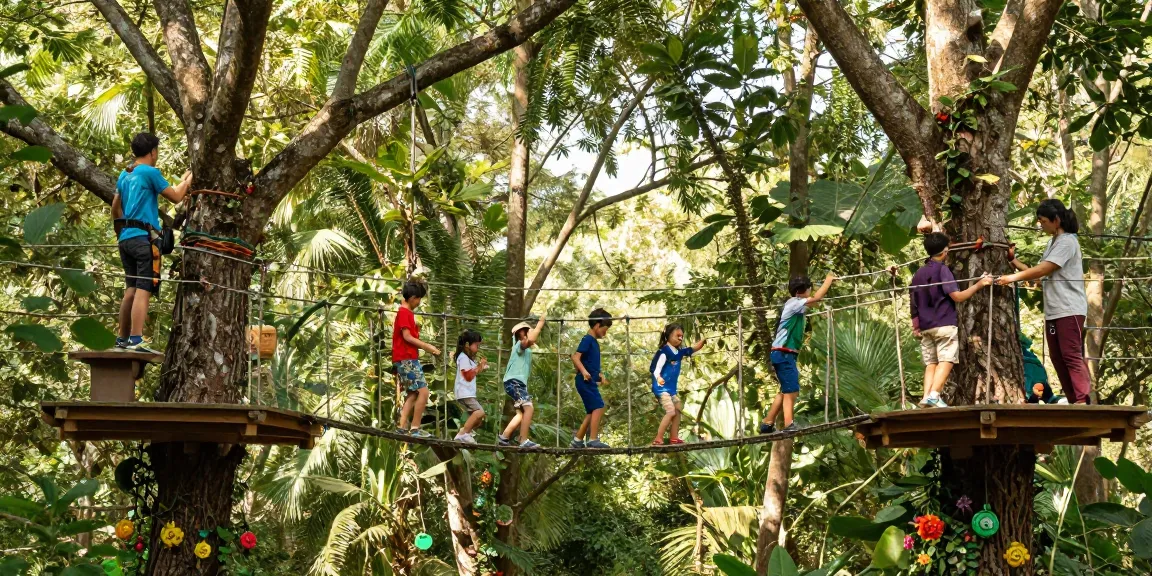
Rope bridges have found a delightful niche in playground designs and treehouses, offering children unique play experiences while fostering physical activity. This section will explore the benefits of including rope bridges in play areas and provide design inspiration.
Benefits of Incorporating Rope Bridges in Play Areas
- Physical Development: Rope bridges challenge children’s coordination, balance, and strength, promoting overall fitness.
- Social Interaction: These structures encourage cooperative play, enhancing social skills as children navigate the bridges together.
- Creative Play: The imaginative nature of rope bridges allows children to invent their scenarios, fostering creativity.
Design Inspirations for Safe and Fun Rope Bridges
When designing rope bridges for playgrounds or treehouses, consider incorporating multiple levels, various widths, and diverse materials to enhance the play experience. For added safety, installing nets or grids below the bridge can prevent falls while still enabling adventurous play.
Real-Life Examples of Successful Rope Bridge Installations
Many parks and recreational centres have successfully integrated rope bridges into their designs, providing unique challenges for visitors. One notable example is the rope bridge at the Adventure Park in Sydney, Australia, which features several interconnected structures allowing for exploration and agility training. Such installations not only provide fun but also promote outdoor activities and healthy lifestyles among families.
Environmental Impact of Rope Bridges
The construction of rope bridges can have various environmental implications, both positive and negative. In this section, we will assess the ecological footprint of these structures and their role in forest conservation and community involvement.
Assessing the Ecological Footprint of Rope Bridge Projects
Rope bridges often have a smaller ecological footprint than traditional bridges due to their minimalistic design and reduced land disturbance. However, it is vital to evaluate the potential impact on local wildlife and plant life during the planning phase to ensure sustainable practices are employed.
Forest Conservation and Rope Bridge Construction
Rope bridges can facilitate eco-tourism and conservation efforts by providing access to remote forest areas without disrupting the natural ecosystem. They enable visitors to explore nature while keeping a safe distance from delicate habitats, promoting ecological awareness and conservation.
Community Involvement in Sustainable Bridge Projects
Engaging local communities in the planning and construction of rope bridges fosters a sense of ownership and responsibility for environmental stewardship. Involving community members in educational workshops about sustainable practices can also enhance their understanding of the ecological benefits of such structures.
Future Trends for Rope Bridges in Outdoor Activities
The future of rope bridges holds exciting prospects with the integration of emerging technologies. This section explores technological advancements, their impact on adventure tourism, and how urban settings might incorporate rope bridges into public spaces.
Emerging Technologies in Rope Bridge Design
Innovative materials and design software are revolutionising rope bridge construction. With advancements in 3D printing and drone technology, creating custom designs tailored to specific environments will become increasingly feasible, allowing for more complex and visually stunning structures.
Rope Bridges as Adventure Tourism Attractions
As adventure tourism continues to grow, rope bridges are positioning themselves as must-visit attractions. Zip lines, climbing walls, and unique rope bridge experiences are quickly becoming central features in adventure parks, drawing a wide audience eager for exhilarating activities.
Envisioning the Role of Rope Bridges in Urban Settings
As urban areas strive to enhance connectivity and green spaces, the integration of rope bridges in city landscapes offers innovative solutions for pedestrian pathways. These structures can create visually appealing routes while promoting outdoor exercise and reducing vehicular traffic.
What types of adventures can rope bridges offer?
Rope bridges can provide thrilling experiences, from simple crossings to complex obstacle courses. They challenge users to overcome physical barriers, fostering teamwork and resilience among participants.
What should I consider before building a rope bridge?
Before construction, assess the location for stability, ensure compliance with safety regulations, and consider the materials best suited for the intended use and environment.
Are rope bridges safe for children?
When designed and constructed correctly, rope bridges can be safe for children. Incorporating safety features such as guardrails, soft landing zones, and supervision will enhance safety during play.
What materials are best for a rope bridge?
High-quality synthetic ropes are recommended for their strength and resistance to weather conditions. Additionally, sturdy anchor points and supportive structures are crucial for the integrity of the bridge.
How do rope bridges compare to traditional bridges?
Rope bridges offer a lightweight, flexible alternative to traditional bridges. They require fewer materials and can be constructed in challenging terrains, making them ideal for remote or natural settings.