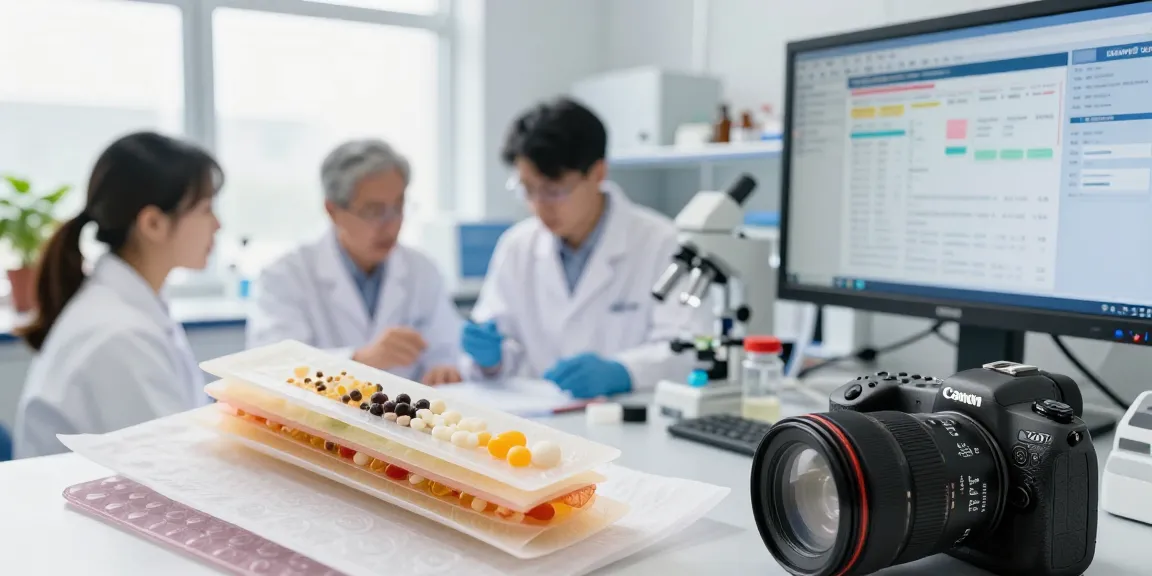
Understanding BPC 157: The Science Behind Its Benefits
In the realm of health supplements and therapy, BPC 157 stands out as a powerful peptide that has garnered attention for its potential benefits in healing and recovery. Derived from a naturally occurring protein in the stomach, this peptide is part of a group known as body protection compounds (BPC), which are believed to play crucial roles in protecting and regenerating tissues. As we explore the intricacies of BPC 157, we will delve into its origins, biochemical mechanisms, and the clinical studies supporting its purported benefits. Understanding these aspects is essential for anyone looking to leverage the therapeutic properties of BPC 157 effectively.
What is BPC 157 and its Origins?
BPC 157, or Body Protecting Compound 157, originates from a protective protein found in gastric juice. It was first discovered in the 1990s during research aimed at understanding its healing properties. This peptide has been shown to promote healing in various biological systems, especially in the gastrointestinal tract. Its unique amino acid sequence contributes to its remarkable ability to influence healing processes, making it a subject of interest in both clinical and research settings.
Biochemical Mechanism: How BPC 157 Works in the Body
The action of BPC 157 occurs at multiple levels within the body, primarily through its interaction with growth factors and various cell signaling molecules. The peptide is known to upregulate nitric oxide production, which is vital for enhancing blood flow and accelerating healing. Additionally, BPC 157 has been observed to promote the migration and proliferation of fibroblasts and endothelial cells, which are crucial for tissue repair. Its ability to modulate inflammatory responses and prevent cell apoptosis (programmed cell death) further enhances its therapeutic potential. The cumulative effect of these actions results in accelerated healing of wounds, muscles, tendons, and bones.
Clinical Studies and Evidence Supporting its Benefits
Numerous studies have explored the effectiveness of BPC 157 in various applications, from muscle recovery to gastrointestinal healing. Research indicates that BPC 157 significantly accelerates the healing of tendon and ligament injuries, reduces inflammation in chronic inflammatory conditions, and enhances the repair of damaged organ tissues. Notably, animal studies have demonstrated its ability to restore the integrity of connective tissues and promote rapid recovery from injuries. These findings pave the way for further investigation into its potential human applications.
Key Benefits of BPC 157 for Health Improvement
As the body remains under constant stress from daily activities, sports injuries, and age-related degenerative processes, the benefits of BPC 157 become increasingly relevant. This peptide not only promotes healing but also enhances overall health. When exploring options, BPC 157 Benefits provide comprehensive insights into its role in health improvement.
Accelerated Healing: Tissue Repair and Recovery
One of the most acclaimed benefits of BPC 157 is its astonishing ability to accelerate tissue repair and recovery. Whether it's a sports-related injury or post-surgical recovery, BPC 157 is recognized for its potential in reducing recovery time significantly. Research suggests that this peptide can facilitate the healing of strains, sprains, and even severe injuries by stimulating collagen production and enhancing the structural integrity of repaired tissues.
Anti-Inflammatory Effects of BPC 157
Chronic inflammation is a silent antagonist in many health conditions, contributing to pain and prolonged recovery times. BPC 157 exhibits strong anti-inflammatory properties, which help mitigate the body's inflammatory response to injury. By regulating cytokine levels and promoting anti-inflammatory pathways, this peptide can alleviate symptoms associated with various inflammatory conditions, offering a dual benefit of pain relief and recovery.
Pain Management: How BPC 157 Alleviates Discomfort
Pain management is a critical aspect of recovery from any injury or surgical procedure. BPC 157 has been shown to effectively reduce pain levels in animal models, leading to a more comfortable recovery experience. Its interaction with pain pathways in the nervous system suggests that it may hold promise as a complementary therapy for pain management, potentially reducing reliance on traditional pain medications.
Using BPC 157 in Different Formats: Buccal Strips vs. Traditional Methods
With the advancement of delivery systems in health supplements, the method of consuming BPC 157 can significantly impact its effectiveness. Traditional methods such as injections, capsules, and powders have been widely used; however, innovative alternatives like buccal strips are gaining attention.
Advantages of Buccal Strip Delivery Systems
Buccal strips represent a cutting-edge delivery technology that allows for rapid absorption of active ingredients through the mucosal membranes in the mouth. This delivery method offers several advantages, including bypassing the digestive system, which can degrade peptides like BPC 157. With the buccal delivery system, the onset of action is quicker, providing patients with faster therapeutic effects compared to traditional methods.
Comparison with Capsules and Powders
While capsules and powders are familiar formats for many consumers, their efficacy can be limited by issues such as bioavailability and ingredient stability. BPC 157 encapsulated in traditional capsules may suffer from degradation in the gastrointestinal tract, reducing its overall effectiveness. In contrast, buccal strips maintain the integrity of the peptide, ensuring that consumers receive the full dosage with higher bioavailability.
Ingredient Stability and Efficacy with Buccal Strips
The innovative design of buccal strips ensures stability for sensitive compounds such as BPC 157. By providing a protective layer, these strips help in preserving the peptide's structure and function for an extended period. This stability translates to reliable results, making buccal strips a preferred option for those seeking consistent therapeutic outcomes.
Potential Risks and Considerations in BPC 157 Use
While the benefits of BPC 157 are substantial, potential risks and considerations should not be overlooked. Understanding these aspects is crucial for responsible usage and maximizing the peptide's advantages.
Common Misconceptions About BPC 157
Several misconceptions surround BPC 157, particularly regarding its legality and safety profile. Some may assume that being a peptide automatically classifies it as a prohibited substance in sports; however, BPC 157 has not been specifically banned by most sporting organizations. It is vital to stay informed and understand the regulatory landscape surrounding its use.
Side Effects and How to Manage Them
Though BPC 157 is generally considered safe, some individuals may experience side effects such as localized irritation at the application site, mild gastrointestinal discomfort, or transient changes in blood pressure. Managing these effects often involves monitoring dosages and ensuring proper hydration. Consulting a healthcare professional before initiating BPC 157 is advisable to tailor usage based on individual health conditions.
Who Should Avoid Using BPC 157?
Certain individuals should exercise caution or avoid using BPC 157 entirely. Pregnant or breastfeeding women, individuals with a history of severe allergies, or those taking medications that could negatively interact with peptides should consult their healthcare provider before use. It’s essential to ensure that BPC 157 fits within an individual's overall health strategy.
Future Trends in BPC 157 Research and Application
As research continues to evolve, the landscape of peptide therapies, including BPC 157, is rapidly changing. Future studies are poised to uncover new applications and refine existing methodologies.
Emerging Studies: BPC 157 in Regenerative Medicine
By 2026, the integration of BPC 157 into regenerative medicine is expected to expand significantly. Emerging studies are investigating its applications in tissue engineering and recovery from critical injuries, highlighting its potential in developing advanced treatment protocols for conditions like tendon ruptures and surgeries.
Potential New Formulations and Delivery Methods
Innovation in formulation technology could lead to new delivery methods that enhance the effectiveness of BPC 157. Researchers are exploring various formats, such as transdermal patches and injectable forms that provide prolonged release, allowing for more sustained therapeutic effects.
What to Expect in the Health Sector by 2026
The health sector's understanding and implementation of BPC 157 are expected to advance considerably by 2026. With the growing acceptance of peptide therapies, BPC 157 may become a staple in managing recovery in physical therapy and rehabilitation settings, backed by solid clinical evidence.
What are the best ways to use BPC 157?
Maximizing the benefits of BPC 157 involves adhering to dosage recommendations and understanding the best methods of administration. For individuals seeking enhanced healing, buccal strips may represent the optimal method, providing rapid absorption and effective dosing. Consulting with healthcare professionals can tailor usage to individual needs, ensuring safety and efficacy.
How does BPC 157 compare to other healing peptides?
BPC 157 is often compared to other healing peptides, such as TB-500 and GHK-Cu, known for their regenerative properties. While each peptide has unique mechanisms and benefits, BPC 157 stands out for its specific action on connective tissue healing and anti-inflammatory effects. Understanding the differences can help individuals choose the right peptide for their wellness goals.
Is BPC 157 safe for long-term use?
Current studies have not indicated significant long-term risks associated with BPC 157 when used responsibly. However, ongoing monitoring and further research are necessary to establish definitive guidelines for prolonged usage. Individuals should always consult healthcare professionals to evaluate personal health factors.
Can BPC 157 be used with other medications?
Co-administration of BPC 157 with other medications is a common consideration for patients seeking comprehensive treatment plans. While there are no widespread contraindications, it is crucial to consult healthcare providers about potential interactions, particularly with medications that influence blood pressure or coagulation pathways.
What scientific evidence supports BPC 157 benefits?
Scientific literature supports BPC 157's benefits through various studies that illustrate its tissue healing properties, anti-inflammatory effects, and pain management capabilities. For more information, BPC 157 Benefits offers valuable insights. As research progresses, more robust data will emerge, reinforcing its role in therapeutic applications and guiding future clinical practices.