
Understanding the Benefits of the Rainpoint Smart Sprinkler Controller
The Rainpoint smart sprinkler controller is revolutionizing the way we manage irrigation in our gardens and landscapes. Its innovative design and user-friendly technology provide homeowners and garden enthusiasts with a reliable solution to optimize watering practices while conserving water. Whether you are nurturing delicate flower beds or a sprawling vegetable garden, the rainpoint smart sprinkler controller offers a compelling balance of convenience and efficiency. Understanding its benefits is crucial for anyone looking to enhance their gardening experience.
What is the Rainpoint Smart Sprinkler Controller?
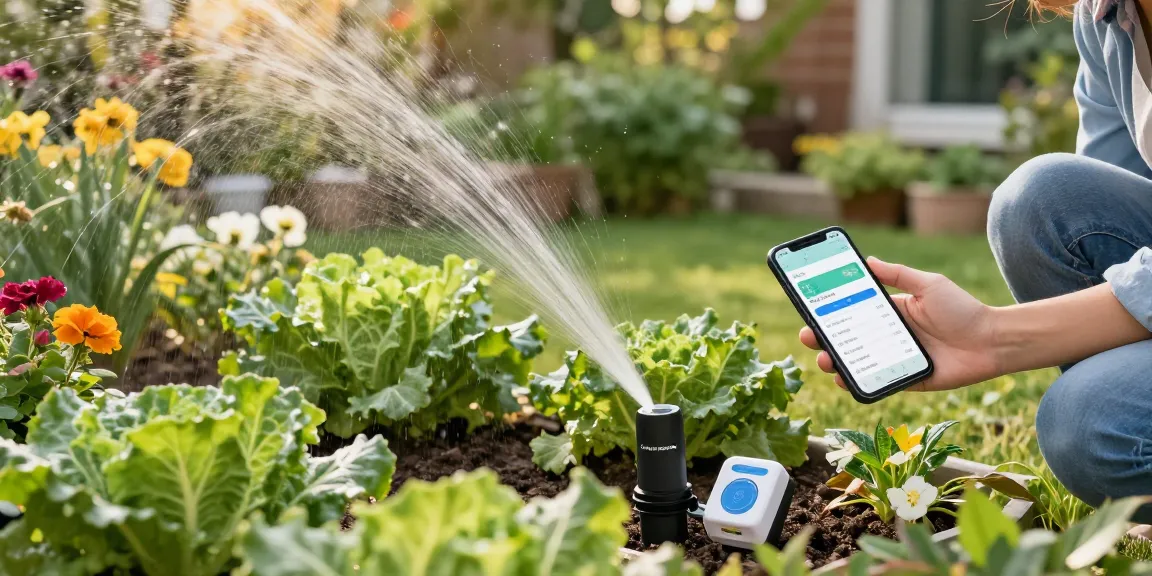
The Rainpoint smart sprinkler controller is a sophisticated irrigation system designed to automate and optimize watering schedules. By connecting to Wi-Fi and utilizing a dedicated mobile app, users can monitor moisture levels, adjust watering times, and even receive alerts about rainfall or potential system malfunctions. This versatility makes it ideal for both seasoned gardeners and those new to plant care.
How Does It Save Water and Enhance Plant Growth?
One of the standout features of the Rainpoint smart sprinkler controller is its capability to significantly reduce water waste. Traditional irrigation systems often operate on fixed schedules, leading to over-watering or under-watering. In contrast, the Rainpoint controller uses real-time soil moisture data to adjust watering schedules dynamically. This ensures that plants receive the precise amount of water they need, enhancing not just growth but also health. Users have reported observing remarkable improvements in their gardens, especially with critical plant species that require specific moisture levels for optimal growth.
Key Features to Look for in Smart Sprinkler Systems
- Soil Moisture Sensors: These sensors provide real-time data on the moisture content of the soil, preventing the waste of water through over-irrigation.
- Weather Integration: Ideal smart sprinkler systems can incorporate weather forecasts to adjust watering schedules based on expected precipitation.
- User-friendly App Interface: The ease of use in setting schedules and monitoring performance through a mobile app enhances user engagement.
- Multi-Zone Control: The ability to manage multiple zones independently allows for customized watering strategies according to the specific needs of different plants.
Common Setup Mistakes with the Rainpoint Smart Sprinkler Controller
Setting up your Rainpoint smart sprinkler controller correctly is essential for achieving optimal performance. However, there are common mistakes that users often make. Understanding these can help ensure that your irrigation system works efficiently from day one.
Improper Installation Techniques
Many users underestimate the importance of proper installation. Whether it’s ensuring the controller is securely mounted or that hoses are connected correctly, taking shortcuts can lead to inefficiencies or system failures. Always follow the installation guidelines provided in the user manual to avoid common pitfalls.
Neglecting to Use Soil Moisture Sensors
Ignoring the functionality of soil moisture sensors is another frequent error. These sensors are a key component of the Rainpoint system, providing crucial information about when watering is truly needed. Neglecting to utilize them can lead to improper watering schedules and poor plant health.
Failing to Adjust Settings for Weather Conditions
Weather conditions can change rapidly, and your watering schedule should reflect that. Failing to adjust your settings based on current weather forecasts can lead to over-watering during rainy spells or insufficient watering during dry periods, both of which can damage your plants.
Maximizing Efficiency: Best Practices for Using Your Smart Sprinkler
To get the most out of your Rainpoint smart sprinkler controller, implementing best practices is essential. These strategies can significantly enhance its efficiency and the health of your plants.
Scheduling Watering Based on Plant Needs
Every plant has unique watering requirements. When setting up your Rainpoint system, it’s crucial to customize watering schedules for different plant varieties. By doing so, you ensure that each plant receives the appropriate amount of water, promoting optimal growth and preventing water stress.
Integrating Weather Data for Optimal Performance
Utilizing the integrated weather data feature can heighten your control over irrigation practices. By allowing the controller to automatically adjust for rainfall and temperature changes, you can conserve water and ensure that your garden remains healthy without manual intervention.
Regular Maintenance Tips for Longevity
Regular maintenance of your smart sprinkler system can prevent issues and prolong its lifespan. Performing seasonal checks, cleaning filters, and ensuring that hoses and connections are intact can mitigate concerns that arise from wear and tear. Additionally, updating the mobile app regularly ensures that you have the latest features and improvements.
Real-World Examples of Successful Smart Sprinkler Use
To truly appreciate the benefits of the Rainpoint smart sprinkler controller, it helps to look at real-world applications. Various users have experienced significant transformations in their gardening practices thanks to this innovative technology.
Case Study: Transforming a Dry Landscape into a Flourishing Garden
Consider the case of a homeowner in a drought-prone area who struggled to maintain a lush garden. After installing the Rainpoint smart sprinkler controller, they reported a dramatic change. By utilizing soil moisture sensors and customizing the watering schedule based on the changing weather, they managed to cultivate a vibrant garden while using significantly less water than before.
Customer Testimonials: Experiences with the Rainpoint Controller
Feedback from users consistently highlights the ease of use and efficiency of the Rainpoint system. Many customers applaud the simplicity of the app and the effectiveness of the soil sensors in creating a worry-free watering schedule. Quotes from satisfied users often reflect phrases such as “set it and forget it,” which embodies the simplicity of the automated irrigation process.
Before-and-After Comparisons of Water Usage
Statistics from many Rainpoint users illustrate the water savings achieved. One homeowner reported a 40% reduction in water usage after one growing season, allowing them to maintain a healthier garden while contributing to water conservation efforts.
The Future of Smart Irrigation: Trends for 2026 and Beyond
As we look forward to 2026, the landscape of smart irrigation continues to evolve. Emerging technologies promise to offer even greater precision and efficiency in garden maintenance.
Emerging Technologies in Smart Gardening
The integration of artificial intelligence and machine learning into smart irrigation systems is on the horizon. These technologies could provide even more adaptive watering schedules, learning from historical weather patterns and specific plant needs to optimize irrigation automatically.
Environmental Impact and Sustainability Considerations
As environmental concerns mount globally, the focus on sustainable gardening practices grows. Smart irrigation systems like Rainpoint not only promote efficient water use but also align with broader sustainability goals, ensuring gardens thrive without compromising water resources.
Future Innovations in Smart Sprinkler Controllers
Future models of smart sprinkler controllers may feature advanced analytics, predictive maintenance notifications, and enhanced connectivity with other home automation systems, streamlining the entire garden management process.
How to Troubleshoot Common Issues?
When issues arise with your Rainpoint system, troubleshooting can often be simplified by following a few best practices. Checking connectivity to Wi-Fi, ensuring the app is updated, and verifying that soil moisture sensors are functioning correctly can often resolve most problems.
What are the Financial Benefits of Using a Smart Sprinkler?
Investing in a smart sprinkler system presents numerous financial benefits. Users frequently report reductions in their water bills, which can offset the initial investment cost, especially in areas where water usage is metered. Over time, the savings on water consumption can be substantial.
How to Set Up Alerts for Maintenance Needs?
Setting up alerts within the Rainpoint app can help ensure that your system remains in peak condition. Users can receive notifications for scheduled maintenance tasks or when the system detects unusual conditions, allowing proactive management of the irrigation system.
Can the Rainpoint Controller Work with Other Smart Devices?
Compatibility with other smart home devices is increasing in importance. The Rainpoint smart sprinkler controller can be integrated with various smart home ecosystems, enhancing overall garden management and connectivity.
What is the Warranty Policy on Rainpoint Products?
The warranty on Rainpoint products typically covers defects in materials and workmanship, providing customers with peace of mind. Always refer to the warranty documentation that accompanies your purchase for specific terms and conditions.
How to Join the Rainpoint Community for Support?
Engaging with the Rainpoint community through forums and social media groups can enhance your experience and provide helpful insights. Joining these platforms enables users to share tips, troubleshoot issues collectively, and stay updated on new products or features.


